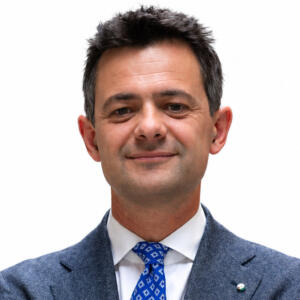
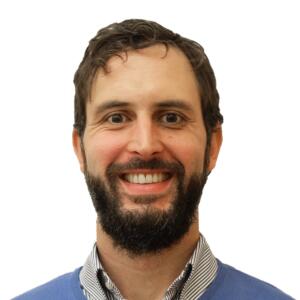
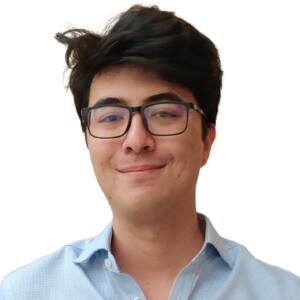
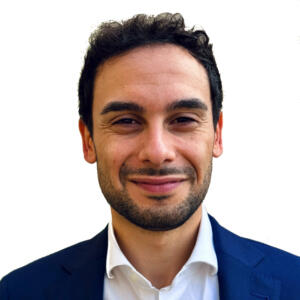
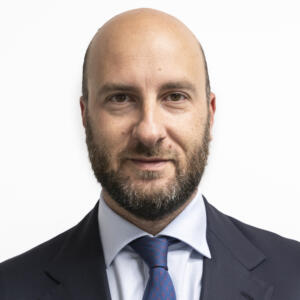
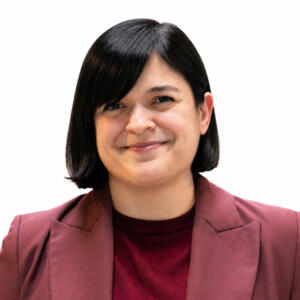
Edoardo Agamennone is a Research Fellow at T.wai and Academic Director of the China Management & Business Program developed by the TOChina Hub, an integrated academic platform of the University of Torino, T.wai and ESCP Business School.
Impact Officer, China-Europe Philanthropy Initiative
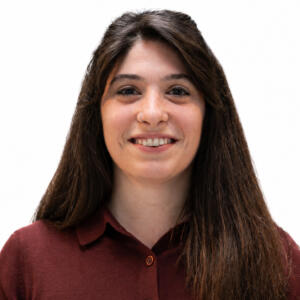
Gaia Airulo serves as Impact Officer of the China-Europe Philanthropy Initiative, T.wai's action-research project aimed at fostering resilient networks of trust through mentorship and future-proof charitable actions jointly pursued by European and Chinese leaders in philanthropy.
Prof. Giovanni B. Andornino is Associate Professor of International Relations at the Department of Cultures, Politics and Society of the University of Turin. He serves as President of T.wai – the Torino World Affairs Institute – and as Head of its Global China Program. He is the Founding Editor of T.wai’s journal OrizzonteCina, currently published by Il Mulino in the Politics section of its catalogue of academic titles.
Strategic Development Officer
Martina Blotto is Strategic Development Officer at T.wai and Program Manager for the TOChina Hub, an integrated academic platform of the University of Torino, T.wai and ESCP Business School.
Daniele Brombal is a Research Fellow at T.wai and an Associate Professor of Chinese language and society at Ca' Foscari University of Venice.
Leonardo Bruni is Junior Research Fellow at T.wai and Project Manager of the ChinaMed Project. He is a PhD student in History at the European University Institute.
Gianluca Centraco is Junior Research Fellow at T.wai and PhD student at the University of Torino.
Simone Dossi is a Research Fellow at T.wai and an Associate Professor of International Relations of East Asia at the University of Milan.
Prof. Enrico Fardella is Associate Professor of International History and Area Studies at the Department of Social and Human Sciences of the University of Naples "L’Orientale". He is Director of T.wai's ChinaMed Project.
Dr. Silvia Frosina is a Research Fellow at the Department of Cultures, Politics and Society of the University of Turin. She is a Research Fellow affiliated with the Global China Program of T.wai and Editorial Coordinator of the OrizzonteCina academic journal.
Andrea Ghiselli is a non-resident Research Fellow at T.wai, and serves as the Head of Research of the ChinaMed Project. He is also a Lecturer in International Politics at the University of Exeter.
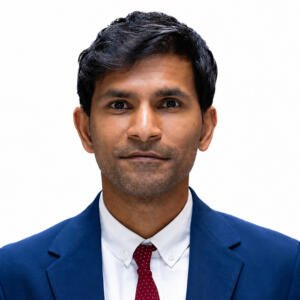
Kavinda Navaratne is the Head of Impact of the Torino World Affairs Institute and the TOChina Hub, an integrated academic platform of the University of Torino, T.wai and ESCP Business School.
Chief Operating Officer, China-Europe Philanthropy Initiative
Martina Poletti serves as Chief Operating Officer of the China-Europe Philanthropy Initiative, T.wai's action-research project aimed at fostering resilient networks of trust through mentorship and future-proof charitable actions jointly pursued by European and Chinese leaders in philanthropy.